See beyond behaviour
Remain curious about what children may be experiencing.
About Room to Rethink
We create space to question assumptions, listen to different perspectives and consider what children need from us.
Why we exist
Too often, children are described in terms of their behaviour without enough consideration of what might be happening beneath the surface.
For children affected by FASD, neurodevelopmental differences or early adversity, traditional approaches may not always meet their needs. Without the right understanding, children can be misunderstood and the adults supporting them can feel frustrated or overwhelmed.
Room to Rethink was created to help change that. Our approach is grounded in compassion, curiosity and evidence-informed practice. We aim to make complex information accessible and turn understanding into practical, everyday support.
Meet the founder
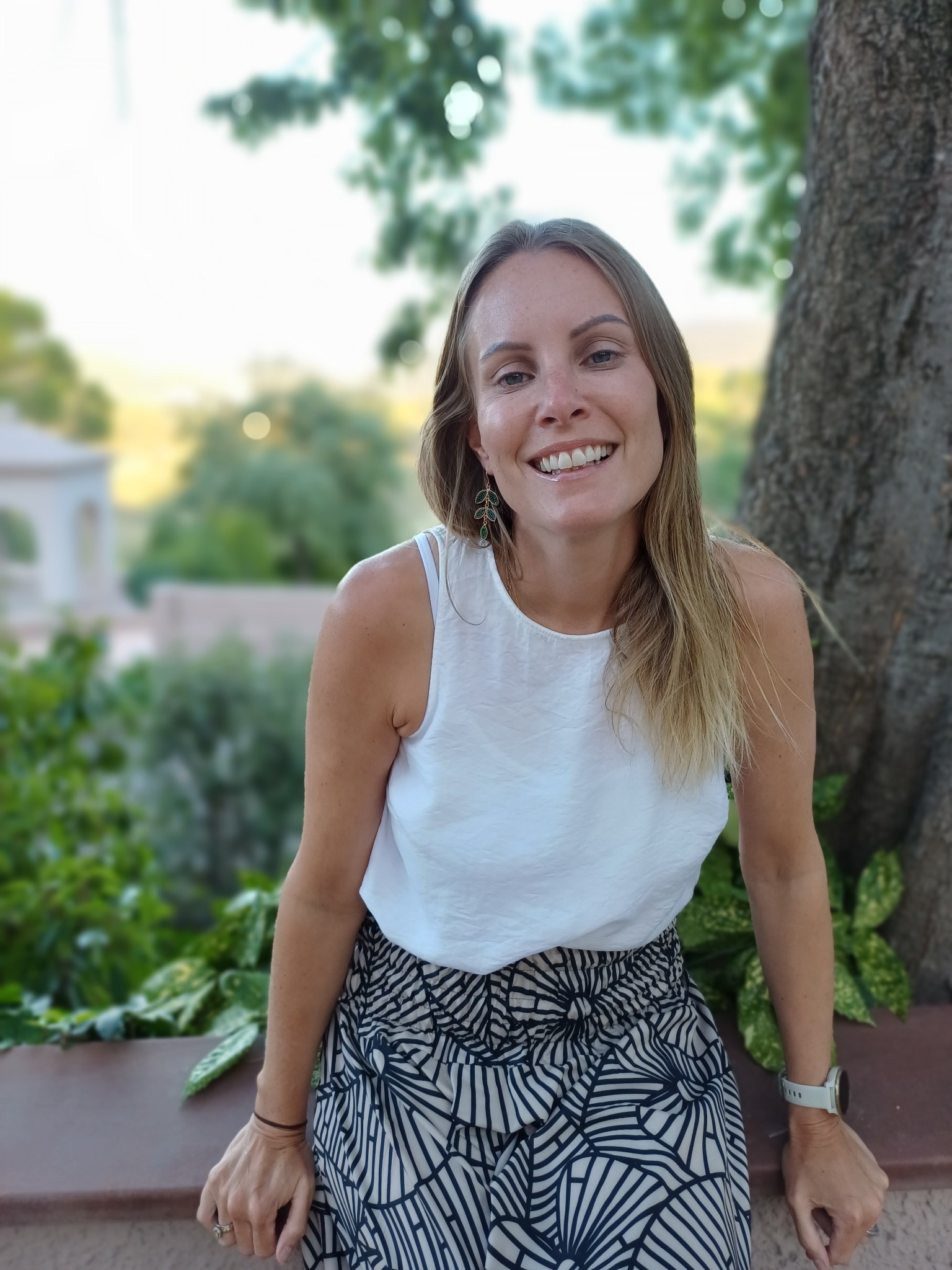
I'm an independent social worker with over a decade of experience working with children and fostering families.
Throughout my career, I've worked alongside foster parents and professionals supporting children with complex needs. I've seen how challenging things can become when children are misunderstood, and what a difference it makes when the adults around them have the right knowledge and support.
My interest in FASD developed through my work in fostering. As understanding of neurodevelopmental differences has grown, I've become increasingly aware of how rarely FASD features in conversations about children who are struggling.
That led me to undertake postgraduate study in FASD at the University of Edinburgh. I founded Room to Rethink to bridge the gap between research and everyday practice, making specialist knowledge more accessible to the people supporting children.
I'm starting by combining my experience in fostering with my developing knowledge of FASD. My longer-term ambition is to collaborate with professionals from different disciplines, bringing together expertise and perspectives to improve understanding and practice.
Our guiding principles
Remain curious about what children may be experiencing.
Question established approaches and stay open to different perspectives.
Recognise the experiences of children and the adults supporting them, without judgement.
Bring research, professional experience and lived experience into conversation.